Seminars & Classes Coming Up
For more information and to register for the following seminars and classes, follow the links below. Register and pay online with a credit or debit card. All times listed are Pacific time zone.
-

-
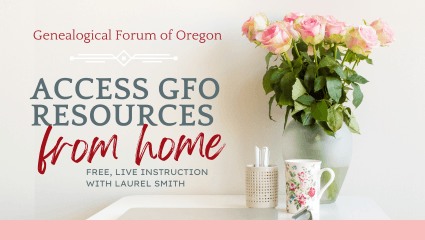
Saturday, Sept. 12th at 10:00 a.m. PT
Free. Presented by Laurel Smith -
-
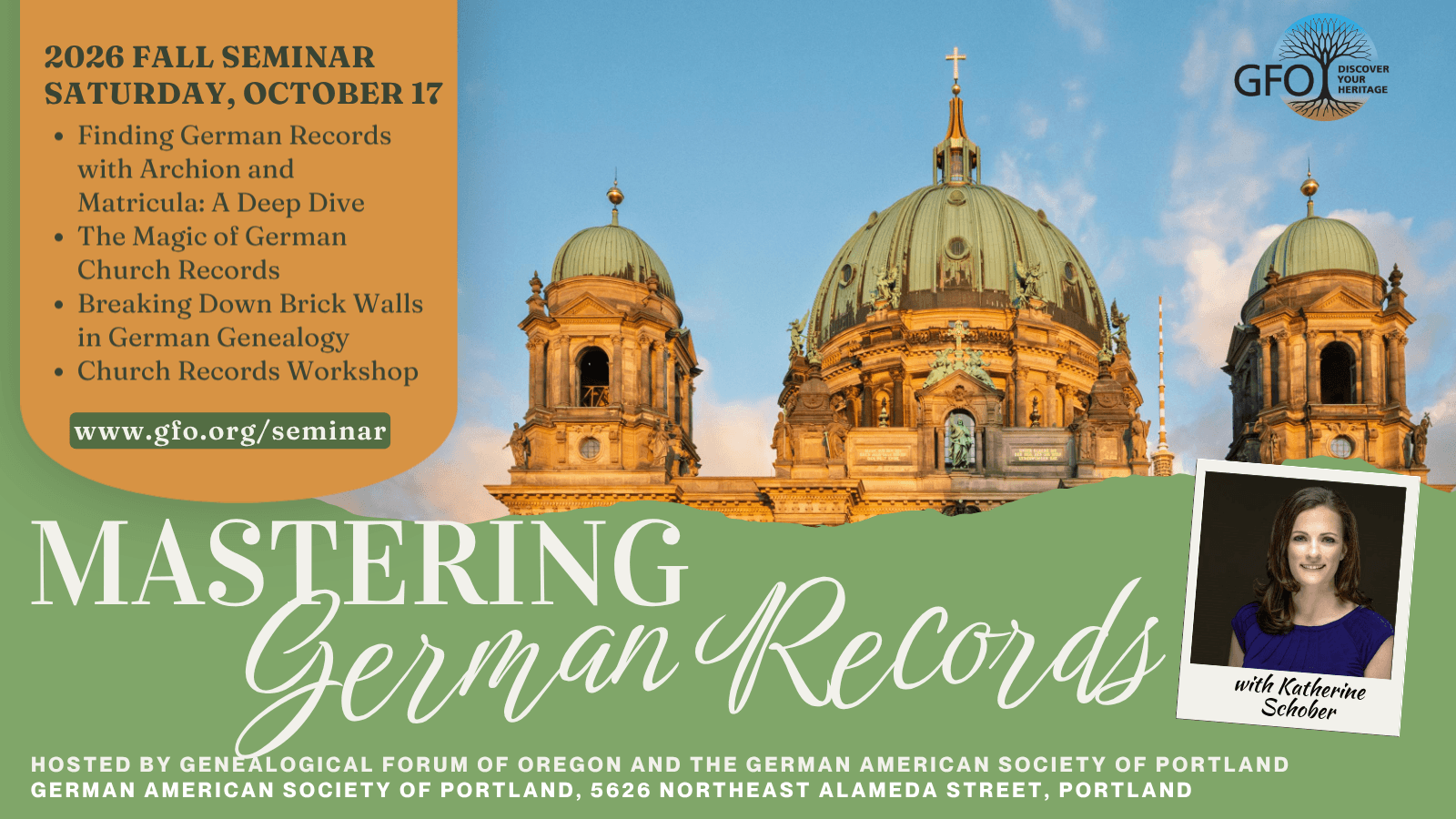
Mastering German Records
with Katherine Schober
Oct 16 & 17, 2026
In-person seminar -
Past Seminars
-
 Fritz Juengling, Spring Seminar 2026
 -
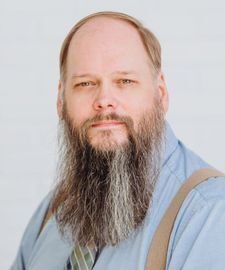 Michael Strauss, Fall Seminar 2025 (online)
 -
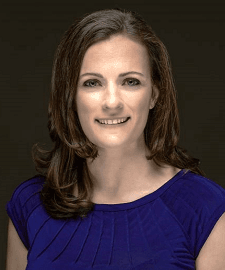 Katherine Schober, Summer Seminar 2025
 -
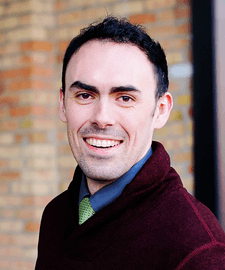 Paul Woodbury, Fall Seminar 2024 (online)
 -
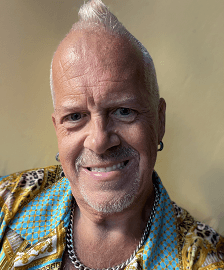 Thomas MacEntee, Fall Seminar 2023 (online)
 -
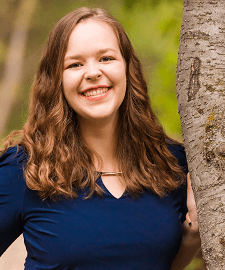 Katerina Schmidt, Spring Seminar 2023 (online)
 -
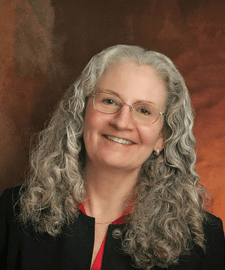 Leslie Lawson, Fall Seminar 2022 (online)
 -
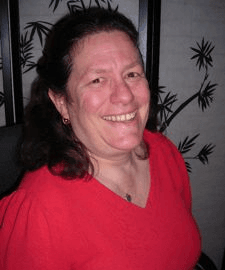 Janice Sellers, Fall Seminar 2022 (online)
 -
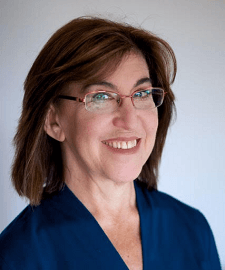 Pam Vestal, Fall Seminar 2022 (online)
 -
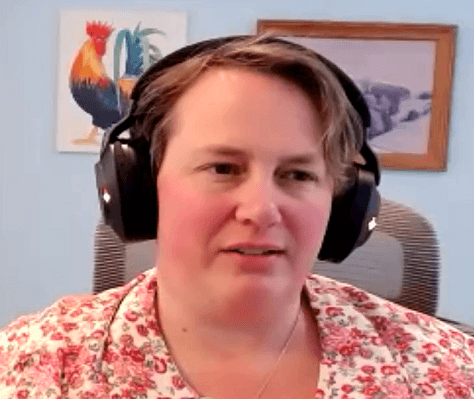 Cari Taplin, Fall Seminar 2021 (online)
 -
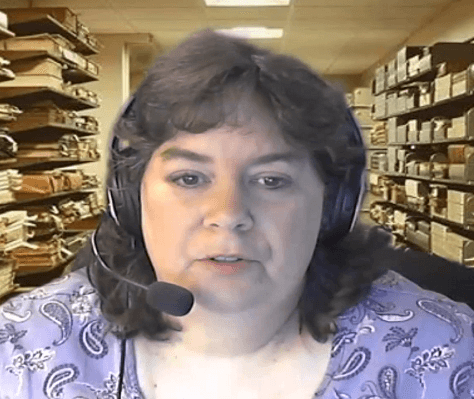 Melissa Barker, Fall Seminar 2021 (online)
 -
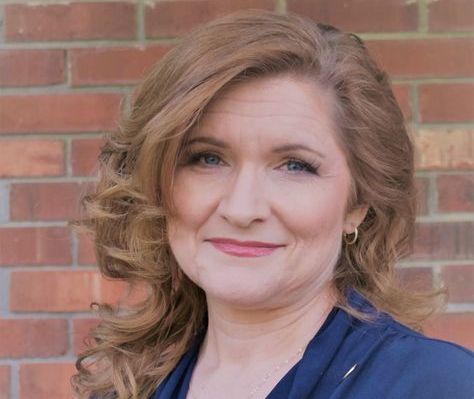 Rebecca Whitman Koford, Spring Seminar 2021 (online)
 -
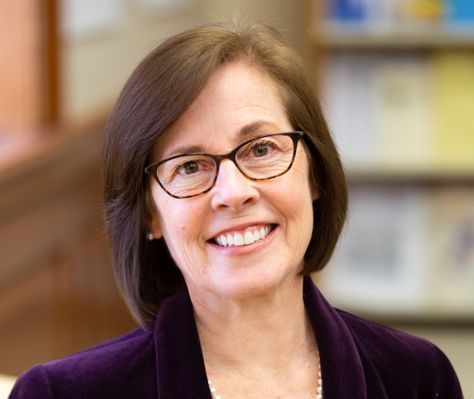 Linda Harms Okazaki, Spring Seminar 2021 (online)
 -
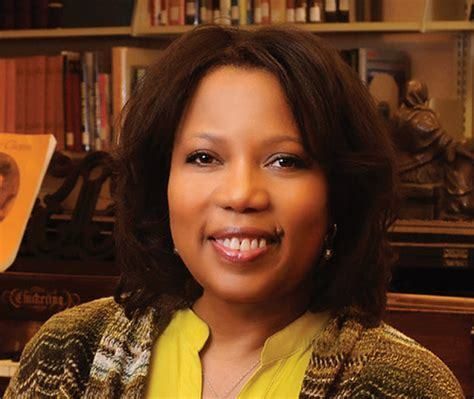 Sherri Camp, Spring Seminar 2021 (online)
 -
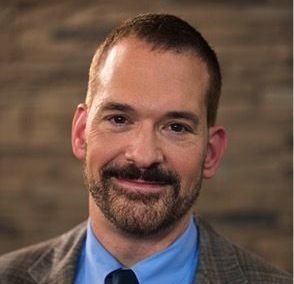 Michael Lacopo, Spring Seminar 2021 (online)
 -
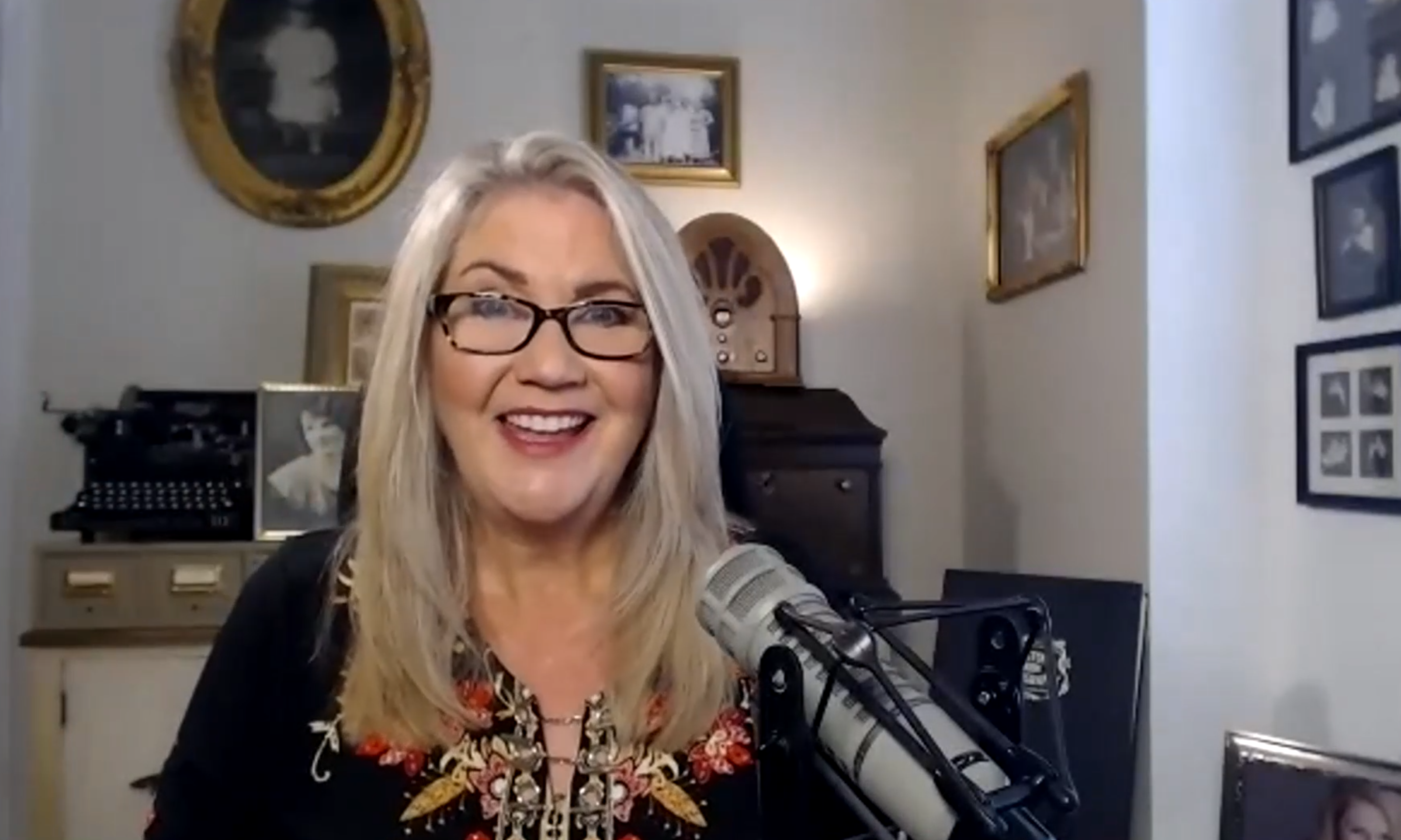 Lisa Louise Cooke, Fall Seminar 2020 (online)
